
Herzlich Willkommen in unseren Mittelalterlichen Erlebniswelten auf Schloss Waldburg. Klickt auf die Bilder und lasst Euch damit entführen ...:



Eine Auszeit vom Alltag. Inspirierend soll es sein. Gerne sind wir für Sie da. Menschen, die Geschichten erzählen, erwarten Sie in unserer Mittelalterlichen Erlebniswelt auf Schloss Waldburg. Bei uns dürfen Sie noch im eigenen Tempo unterwegs sein. Sie können in unserer Vinothek natürliche Weine, biologische Weine verkosten. Herzliche Begegnungen sind bei uns an der Tagesordnung. Es erwarten Sie bewegende Erlebnisse die mitreißend sind und unsere Gäste zum Staunen bringen.
Dafür stehen wir in unseren
Mittelalterlichen Erlebniswelten auf Schloss Waldburg 😊
Jeden Sonn- und Feiertag ist 2 x Kinder-Ritter-Turnier
Jeden Sonn- und Feiertag ist Turniertag in den Mittelalterlichen Erlebniswelten auf Schloss Waldburg. Drei ritterliche Disziplinen gehören zum Turnier. Adlerschießen, Schwertkampf und die Königdisziplin das Lanzenstechen. Jeweils um 10.00 und um 13.00 Uhr starten wir mit einer Kinderführung. Das Kasperletheater gehört hier ebenfalls zum Erlebniskonzept.
Sonntage die begeistern. Die Eltern können unseren Biergarten oder die Vinothek genießen.
€ 13,00/Kind
inkl. Museumseintritt, Turnier, Kasperletheater.
Viel Spaß für kleine Ritter*innen
Die Mittelalterlichen Erlebniswelten Schloss Waldburg finden Sie an der Schnittstelle zwischen Allgäu, Bodensee und Oberschwaben im Dreiländereck Deutschland, Österreich und der Schweiz - eine Region, die einlädt zum Regionalität erleben. Bei uns können Sie aktiv in jeden Moment eintauchen und sich von Land und Leuten inspirieren lassen.
Öffnungszeiten 2024
Schloss Waldburg, die Drei-Kaiser-Burg
17.03.2024 - 05.11.2024
täglich von 10-18 Uhr geöffnet, außer Montag.
Erlebniswelt/Museum mit Café ebenfalls: Di-So 10-18 Uhr
Burgküche 1108´ von April bis Oktober:
So & Feiertag 11-17 Uhr
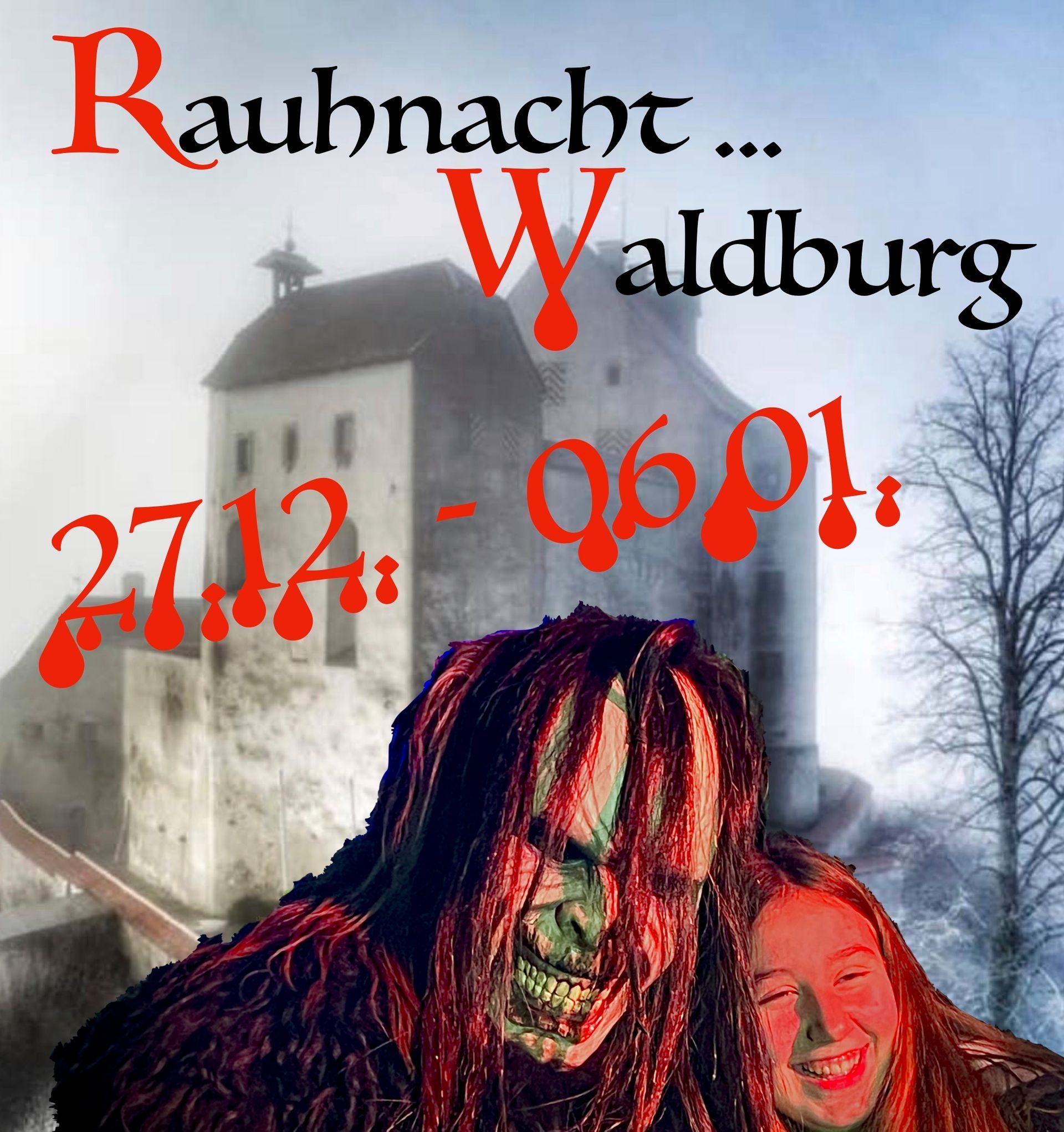
Bitte beachten Sie unsere Winteröffnungszeiten zum Wintermarkt an den Rauhnächten
vom 27.12. - 06.01. jeweils von 17- 22 Uhr
Museum/Erlebniswelt
Digitalisiert ist Sie, unsere Waldburg, mitreißend und begeisternd. Der Foto-Shooting-Raum und unsere Waffenkammer zum Anfassen werden Ihnen viel Freude bereiten. Ein INSTA SELFIE POINT als Aussichtsplattform auf dem Dach der Waldburg bietet sensationelle Blicke auf den Bodensee, die Alpen, die Schwäbische Alb und über Oberschwaben.
Dies alles in der Waldburg, eine der geschichtsträchtigsten Burgen in Deutschland und im Internationalen Bodenseeraum.
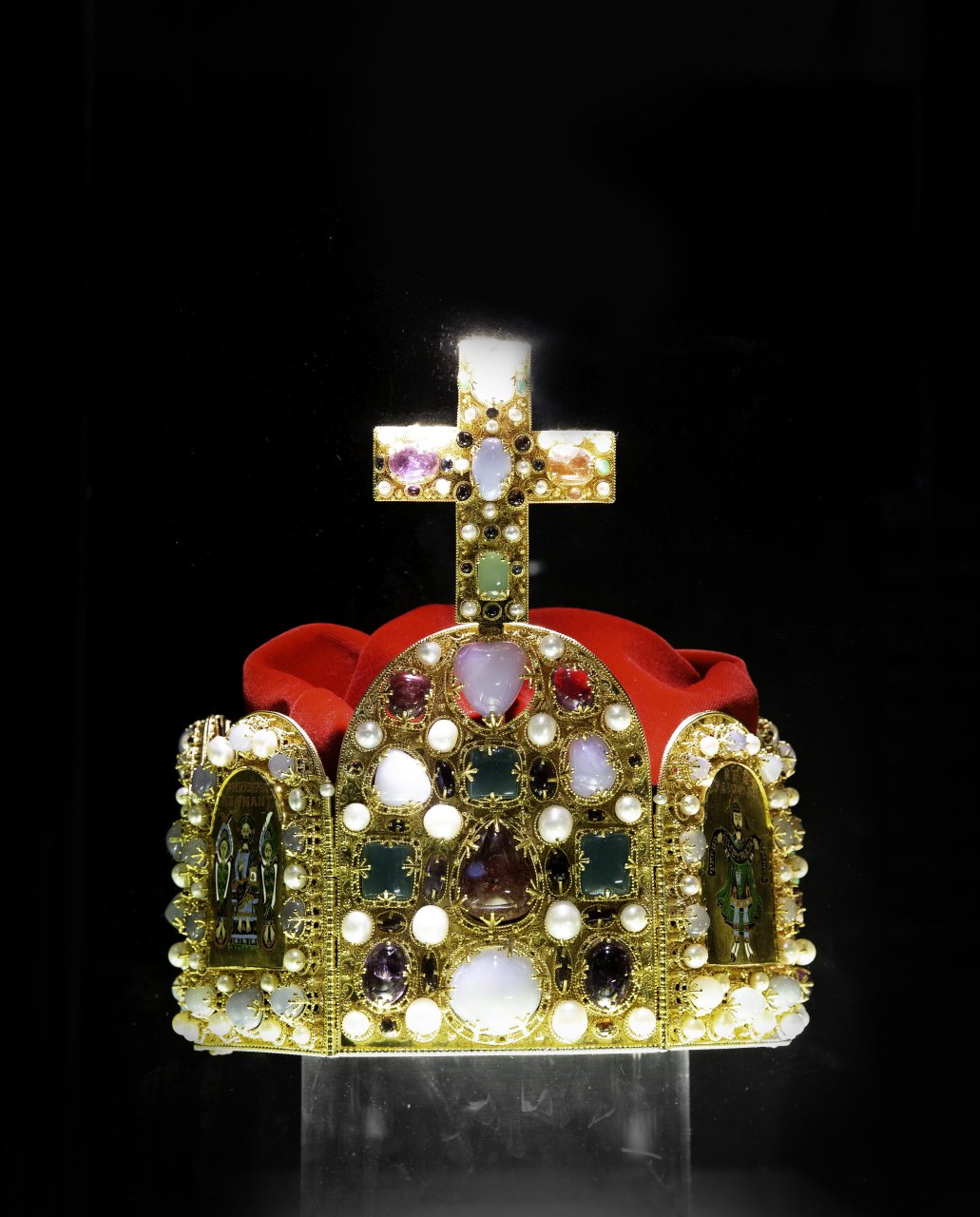
Vier Alleinstellungsmerkmale erwarten Sie im Museum der Waldburg. Den Kronschatz des Heiligen Römischen Reiches, die Amerikakarte (Faksimile) von 1507, heute ein Stück Weltdokumentenerbe, und natürlich wird bei uns der Bauernkrieg thematisiert. Alles gekrönt von einem sensationellen Rundblick.

Gastronomie
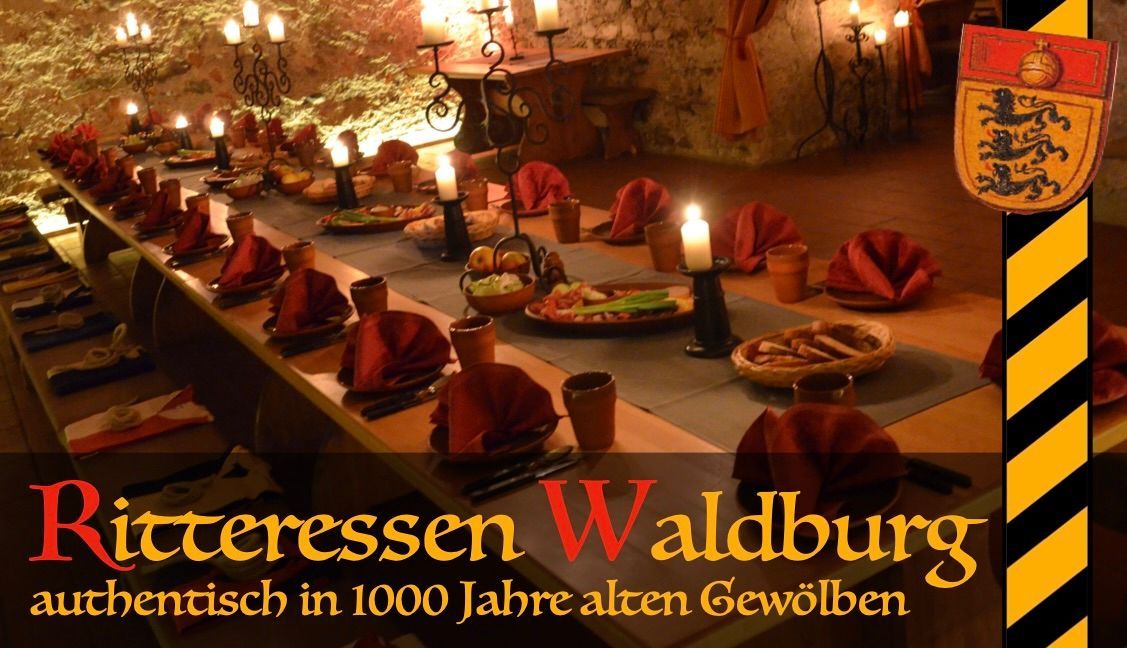
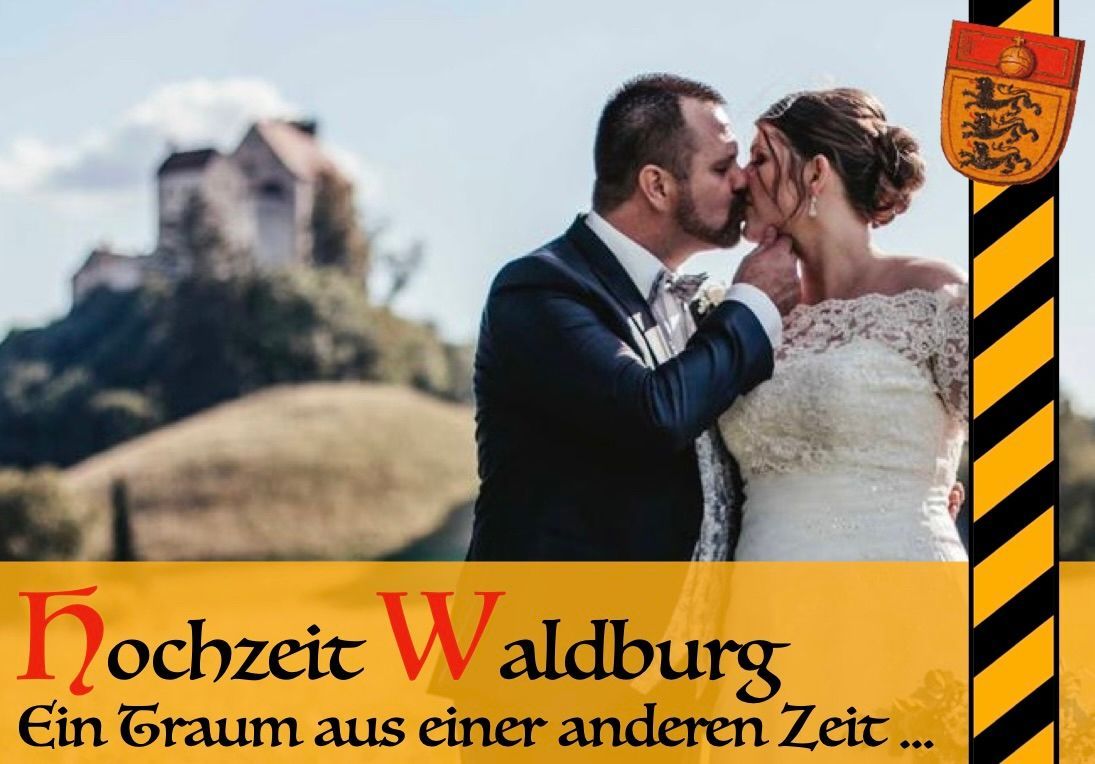
Die Arbeit in der Gastronomie macht viel Freude. Deshalb kann es ja auch keine Arbeit sein. Wir leben Gastronomie und freuen uns über tolle Gäste. Unsere neueste Location, unsere Burgküche 1108´, ist schlichtweg der Hammer. Sie sitzen ums Lagerfeuer - indoor. Ein Steak am offenen Feuer gebraten. Garnelen über Kohle geröstet. Sie werden überrascht sein was alles möglich ist. Hochzeiten, Heiratsanträge, Ritteressen, Weinproben, Rittermahl, Feuerabend erwarten Sie bei uns auf der Waldburg.
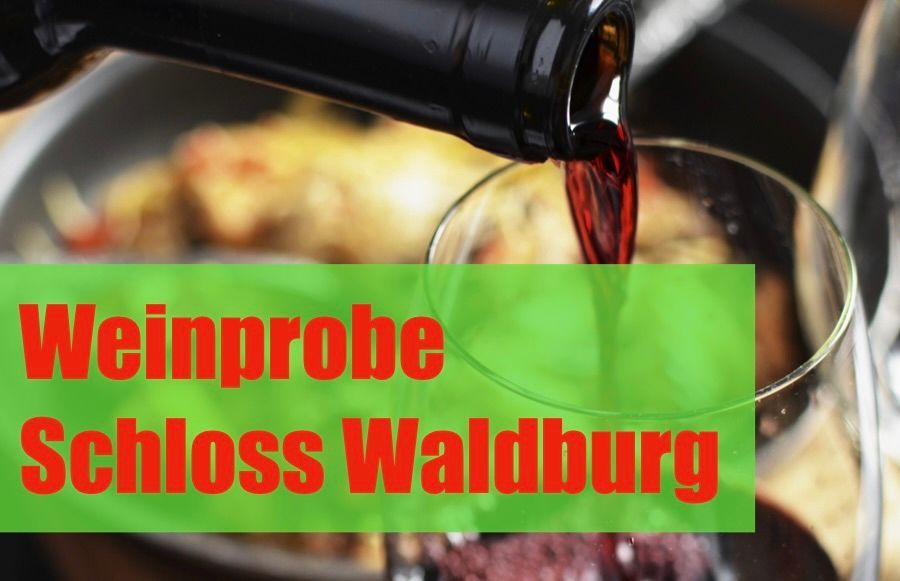
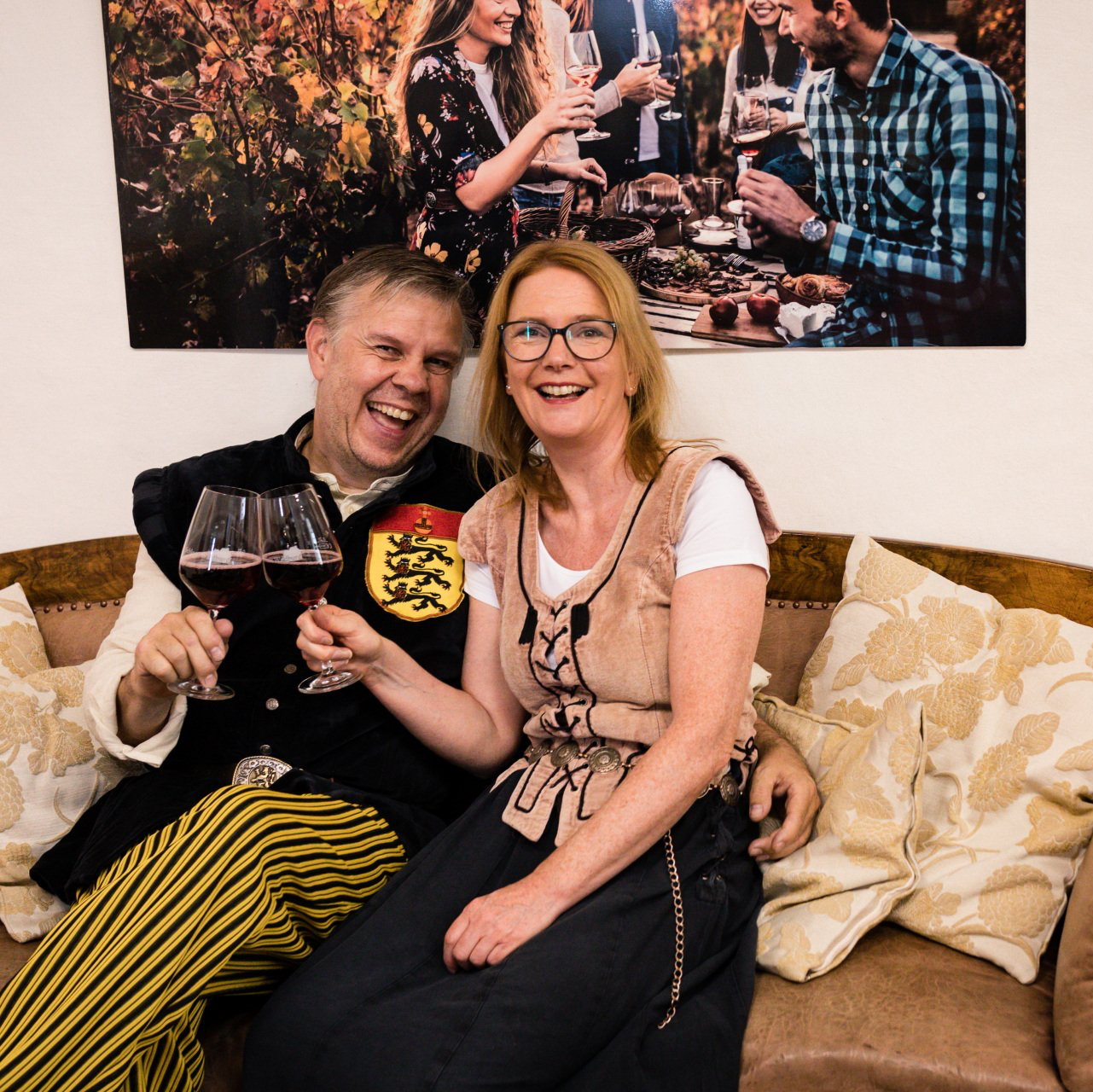
Wir wäre es mit einer Weinprobe?
Seit 1503 gehören die besten Lagen um Meersburg den Waldburgern. Ritteressen in 1000 Jahre alten Gewölben.
Das gehört zu den Dingen die mindestens einmal im Jahr genossen werden sollten.
Ein breites Angebot auch speziell für (Bus)Gruppen erwartet Sie bei uns.
Suite
Eine romantische Nacht, ein Heiratsantrag oder eintauchen ins Mittelalter auf Schloss Waldburg, Deutschlands kleinstem Hotel. Das ursprüngliche Entdecken ist bei uns selbstverständlich.
Auf Schloss Waldburg verfügen wir über eine wunderschöne Suite. Natürlich, authentisch ist die Suite aktuell auch die einzige Übernachtungsmöglichkeit für 2 Personen direkt auf der Burg. Ideal für eine Auszeit vom Alltag.
Sie wollen einen ganz besonderen Rahmen für Ihren Heiratsantrag oder für eine romantische Nacht? Sie möchten aktiv in den Moment eintauchen. Besuchen Sie uns, wir möchten Sie zum staunen bringen.
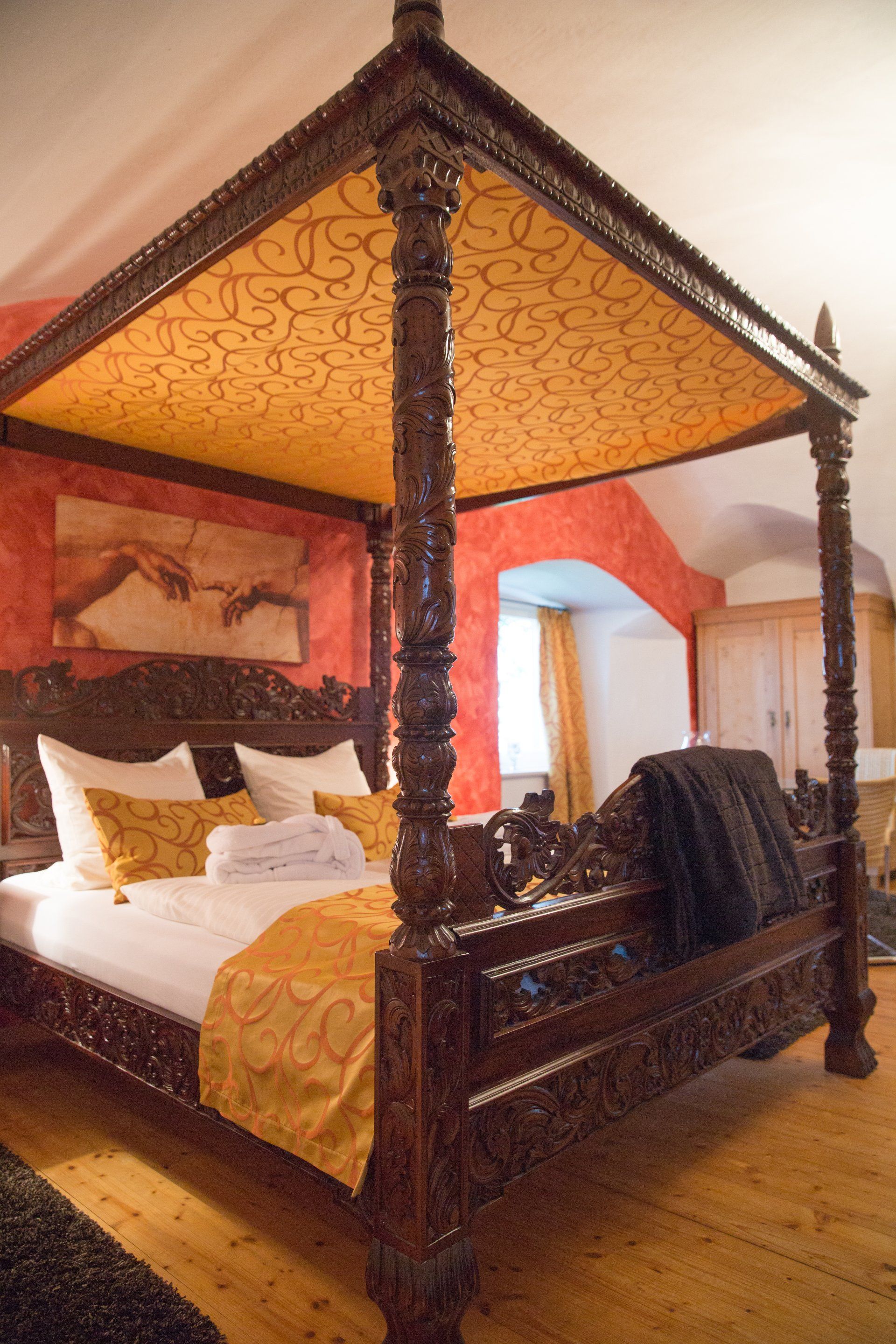
Die Staufersuite ist eine wunderschöne Wohnung mit einem phantastischen Blick über unsere Alpen von den französischen Alpen bis zur Zugspitze. Ein wunderschön geschnitztes Himmelbett, eine tolle Badewanne und schöne Designermöbel erwarten Sie zum Heiratsantrag oder zu einer ganz besonders romantischen Nacht auf der Waldburg in der fürstlichen Staufersuite.
Fanshop
Außergewöhnliche Geschenke auf einer außergewöhnlichen Burg. Wenn Sie das suchen, dann sind Sie richtig bei uns.
Herzlich Willkommen hier in unserem Fanshop.
Gönnen Sie sich doch eine Auszeit und genießen Sie ein paar ruhige Tage auf der Waldburg.
Lassen Sie sich bei einem Grillevent verwöhnen oder tauchen Sie ein ins Mittelalter bei einem Rittermahl. Sie lieben schöne Weine - wir auch. Eine Weinprobe auf der Waldburg ist dann ein MUSS ....
Viel Spaß beim Stöbern ...
Alle Gutscheine haben eine Gültigkeit von 3 Jahren.
Schloss Waldburg, die mittelalterliche Erlebniswelt mit seinen Ritteressen, Hochzeiten, Betriebsfeiern, Weihnachtsfeiern und Kindergeburtstagen finden Sie in Süddeutschland beim Bodensee, Allgäu, Oberschwaben im Dreiländereck, Deutschland Österreich und der Schweiz. Städte wie Wangen, Ravensburg, Bregenz, Kempten, Lindau, Ulm, Memmingen, St Gallen, Meersburg, Konstanz, Sigmaringen, Weingarten und Überlingen sind problemlos zu erreichen.
Gefördert von:



Vielen Dank dafür von Herzen 😊
Sprechen Sie uns an
Kontakt